

Design = Natural + Artificial Intelligences
Mission & Vision
MISSION
Design + Neuroscience + AI
A Parsons Lab (SCE + SDS) + The New School for Social Research
Exploring how products and spaces shape what is perceived, felt, and remembered.
Neuroscience informs embodied and resonant experiences. AI serves as a nonhuman co-creator. Together they advance more-than-human design (humans, animals, plants, machines).
VISION
A collaborative environment bringing together designers, architects, neuroscientists and psychologists for research, teaching, and practice.
To responsibly address present-day challenges through human-nonhuman interaction.
Designing futures that center perception, emotion, and memory.
We are a diverse group of thinkers and makers…
Dr. Andrea Macruz
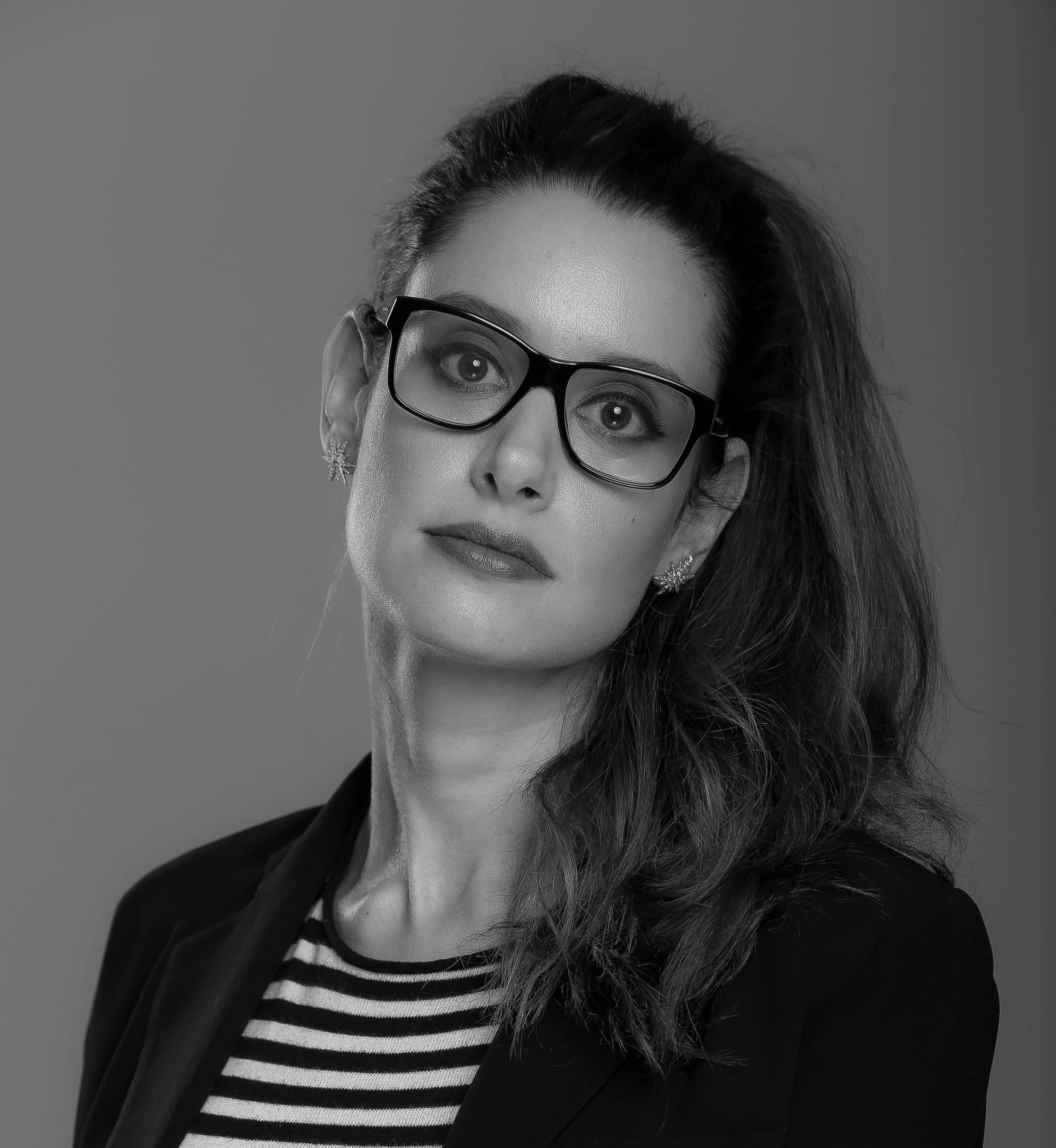
Andrea Macruz is an Assistant Professor of Industrial Design and Technology and the Elective Coordinator in the SCE at Parsons. She teaches in both the MFA Industrial Design and BFA Product Design programs.
-
Her educational path is highly interdisciplinary, with degrees in architecture, interior design and product design from universities in São Paulo, Barcelona and Milan. She earned a Ph.D. exploring the intersection of architecture and neuroscience. Building on this foundation, her current work focuses on emerging technologies, neuroscience and bio-informed practices across design scales. In parallel with her academic work, she founded a design studio in 2010 dedicated to the study of nature and new technologies. Her projects have been published in Domus, Wallpaper and Vogue, and exhibited at Salone Satellite, the Architecture Beijing Biennale, Rossana Orlandi's exhibitions in Milan, Hong Kong and Doha, as well as numerous international Design Weeks.
Dr. Hossein Adeli

Hossein Adeli is an Associate Research Scientist at the Zuckerman Mind Brain Behavior Institute at Columbia University.
-
His research focuses on NeuroAI, the intersection of neuroscience and artificial intelligence, with the goal of better understanding the computational principles of the brain. He is also interested in applying these principles to the design practices. In addition, he is a Visiting Faculty member in the Department of Psychology at The New School for Social Research, where he teaches a graduate course in cognitive neuroscience.
Dr. Robert Kirkbride
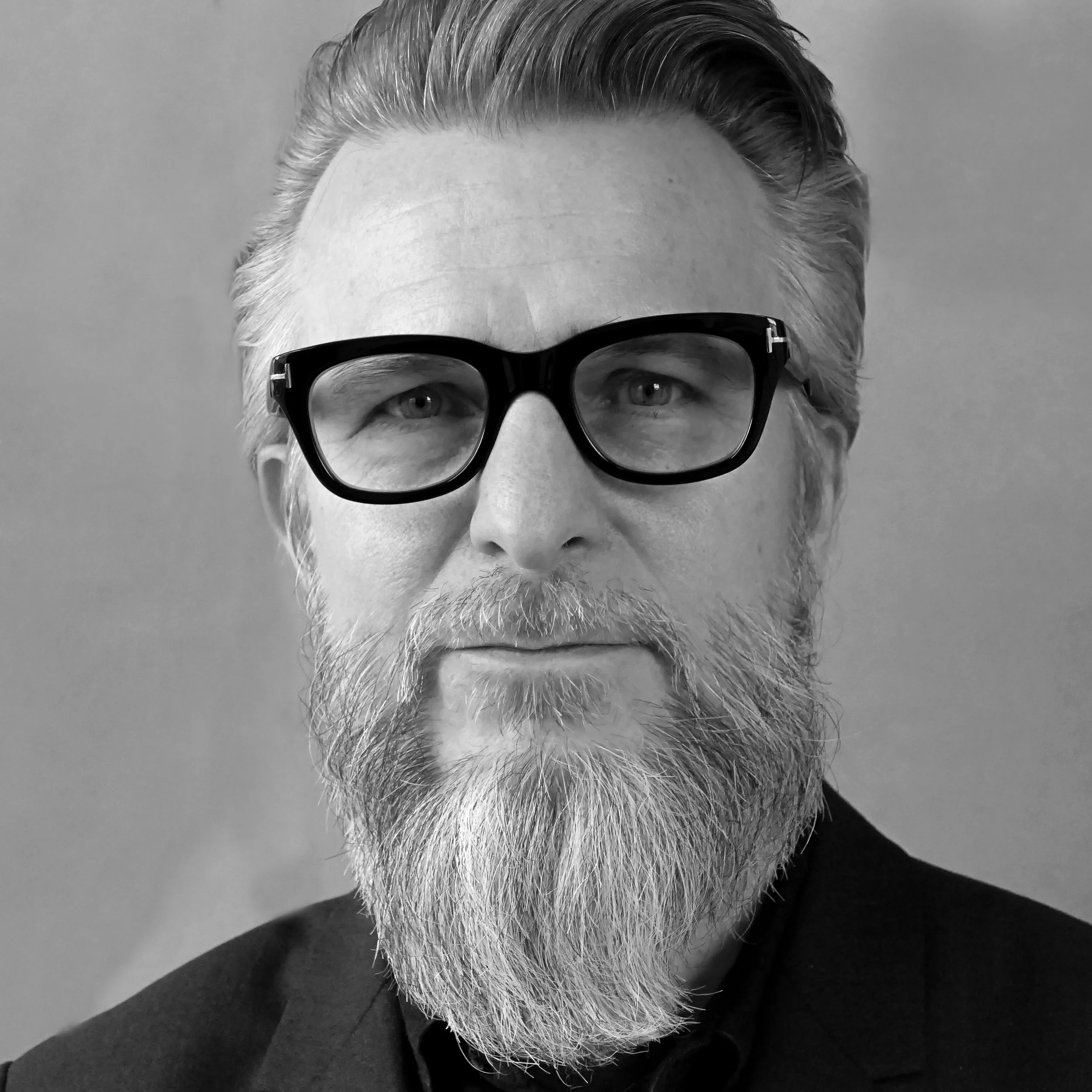
Robert Kirkbride is a Professor of Architecture and Product Design at Parsons School of Constructed Environments.
-
He received the University Distinguished Teaching Award, established The Giuseppe Zambonini Archive, and served as Dean of the School of Constructed Environments. Robert’s work explores the interplay of memory, identity, and placemaking. He directs studio ‘patafisico, an architectural design and research studio that investigates the interdependence of habits and habitats, and he is spokesperson for PreservationWorks, a national non-profit organization advocating the preservation and adaptive reuse of an iconic family of nineteenth century psychiatric hospitals across North America and Australia.
Mark Bechtel

Mark Bechtel is an Assistant Professor of Product Design, researcher, and writer teaching in the MFA Industrial Design and BFA Product Design programs at Parsons School of Design.
-
His research examines the work of artists, programmers, and designers to develop computational design methods that are holistic. His recent work has focused on Generative AI as a cognitive technology that is reshaping learning, creativity, and critical thinking. He is currently co-authoring a chapter about artificial intelligence and the future of design education, and a book about visual coding for product designers. He has served as the Chair of the School of Constructed Environments curriculum committee, and his recent work includes an essay on the artwork of Jean-Luc Moulène published for a solo exhibition at the Museum of Old and New Art, Tasmania, and an art exhibition completed during his residency at LASANAA, Kathmandu. He holds a BFA in Sculpture from the Cleveland Institute of Art, and MFA degree in Visual Arts from Columbia University.
Carly Cannell

Carly Cannell is the Director of the BFA Interior Design Program and Assistant Professor of Interior Design, Parsons School of Constructed Environments.
-
She is a design researcher, educator and licensed interior designer whose work investigates how sound, space, and sensory systems shape human experience. With over 25 years of professional practice, she bridges research and built work through the interdisciplinary design collaborative weetu, operating at the convergence of spatial design, identity systems, sound, and strategy. Her scholarship examines how acoustic ecologies and embodied cognition influence perception, memory, and lived experience within the built environment. Drawing from neuroscience-informed inquiry and emerging technologies, she explores how environments structure attention, affect, and behavior. Through immersive installations, design-build experimentation, and public-facing work, Cannell challenges conventional models of professional practice, positioning spatial experience as a medium for care, agency, and cultural transformation.
Andrew Shea
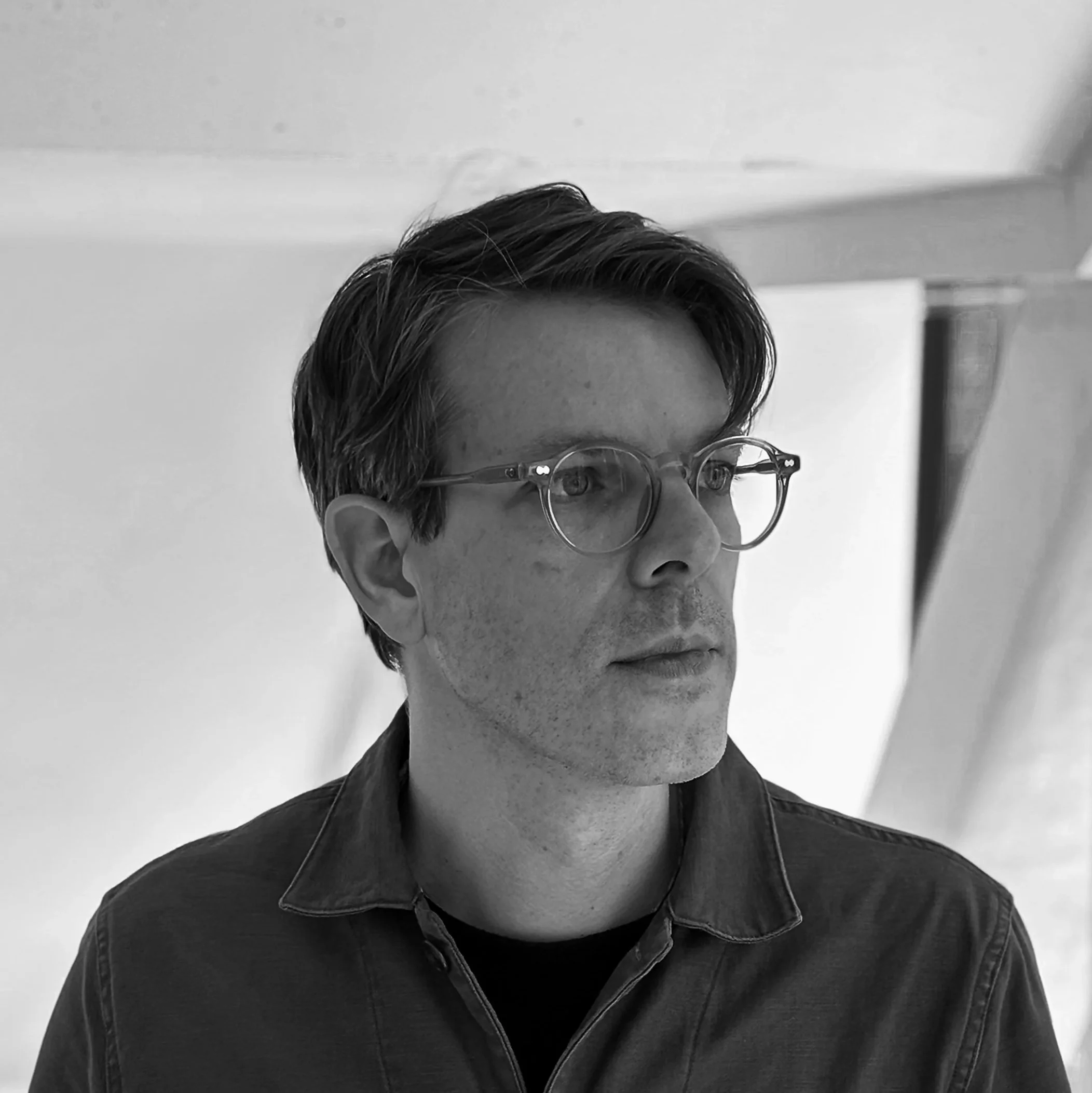
Andrew Shea is the Associate Dean of School of Design Strategies, Associate Professor of Integrated Design, and Co-Director of the Lab for AI, Ethics, & Creativity.
-
His Design Practice is focused on design for social innovation and the role of artificial intelligence in that evolution. Andrew is the founding creative director of MANY Design, a studio that designs physical spaces, collaborative experiences, and platforms. His most recent co-edited book, Design for Social Innovation: Case Studies from Around the World, defines the global contours of the field.
Jeongki Lim
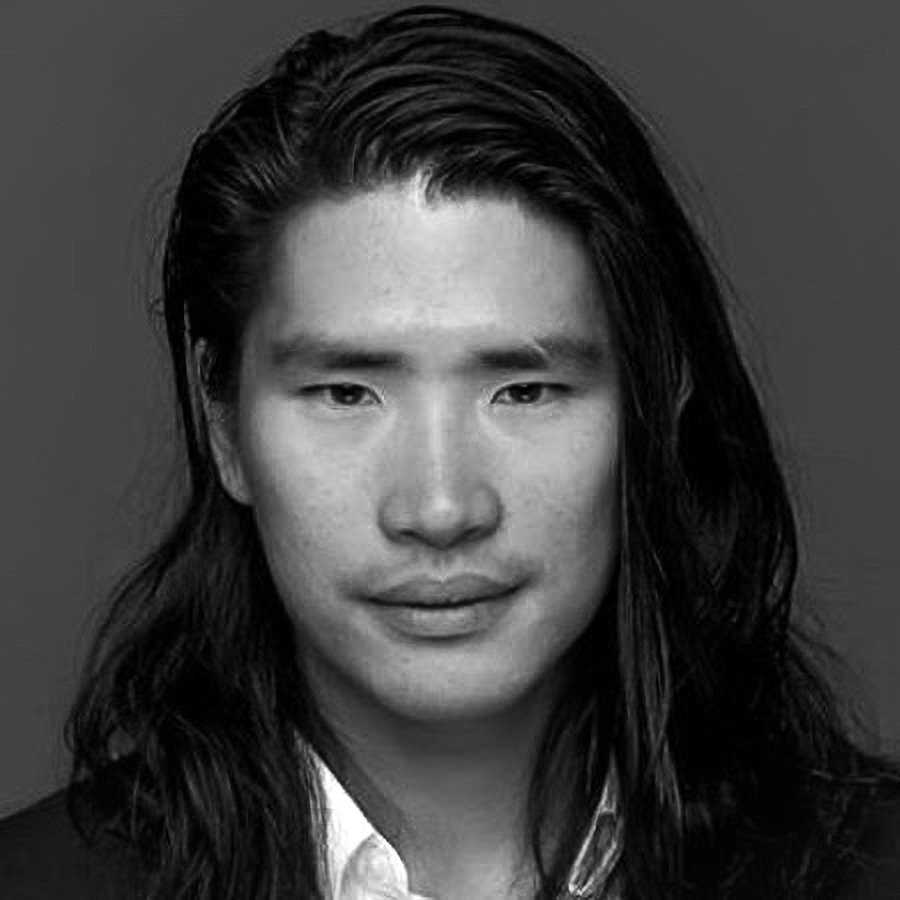
Jeongki Lim is the Dean of School of Design Strategies, and Associate Professor of Strategic Design and Management.
-
His work bridges design, science, and technology, focusing on the role of artificial intelligence in creative practices. He leads a multi-year academic collaboration with LG AI Research, developing AI-enabled methods and systems that integrate with art and design pedagogies.
Miriam Steele
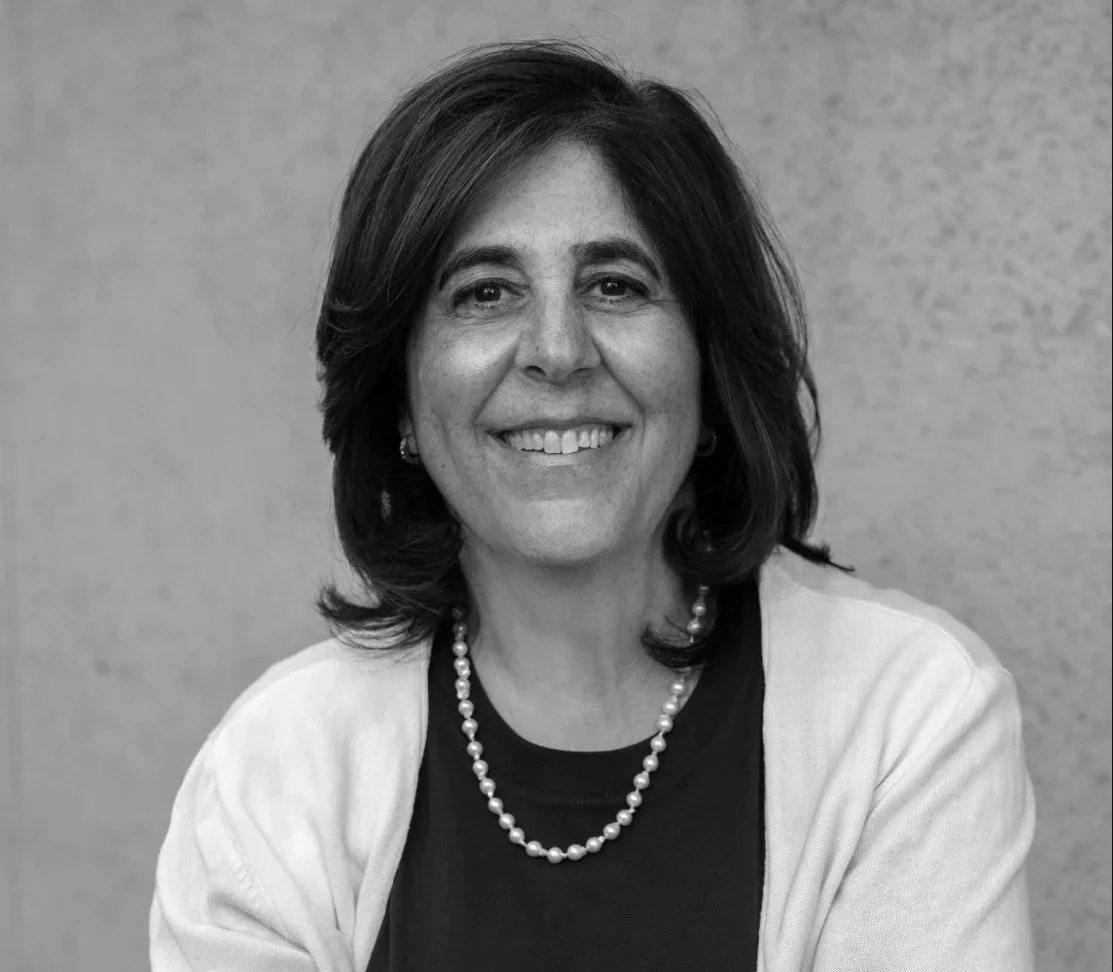
Miriam Steele is the A.J. & M.C. Marrow Professor in Psychology and co-director of the Center for Attachment Research at The New School for Social Research.
-
She bridges the world of psychoanalytic thinking and clinical practice with contemporary research in child development. She trained as a child analyst at the Anna Freud Centre London and received her Ph.D. from University College London. Her research began with the study of “Intergenerational Patterns of Attachment” which embodied one of the first prospective longitudinal studies incorporating the Adult Attachment Interview and Strange Situation protocols. Her current projects include studies exploring the influence of technology use on parent-child attachment, attachment and body representations across a range of individuals including mother-child dyads and individuals with physical disabilities, studies of children in foster care and adoption and child and adolescent global mental health.
COLLABORATORS
Jessica Carbone

Jessica Carbone is an architect specializing in neuroscience and human behavior.
-
She holds a Master's degree in Neuroscience and Human Behavior from Università Iuav di Venezia and brings international experience across Switzerland, France, Brazil, and the United States. Her professional background spans the biopharmaceutical and chemical industries, including work at Roche in Switzerland. Through a multidisciplinary approach that integrates science, design, and culture, Jessica creates research-driven environments that enhance human experience, performance, wellbeing, and creativity, exploring how spatial design shapes behavior and cognition.
Kiara Chang

Kiara is the Research Assistant for the Neuro-AI Lab and a Senior-year Product Design student at Parsons School of Design.
-
She is pursuing an interdisciplinary career in technology and product design, curious about using AI’s potential to enhance creative processes and product innovation. She is particularly excited by AI's capability to create genuinely personalized experiences—ones that connect with people on a deeper level by understanding and responding to their unique lifestyles and goals. Kiara aspires to apply these insights in the design of systems & services, wearable accessories and consumer technology.