
Fossilized
Students: Xenia Kwiatkowska + Vittorio Di Girolamo
Professors: Andrea Macruz + Manali Truitt * MFA Director: Christine Facella
HARD TO SOFT ————— SOFT TO HARD
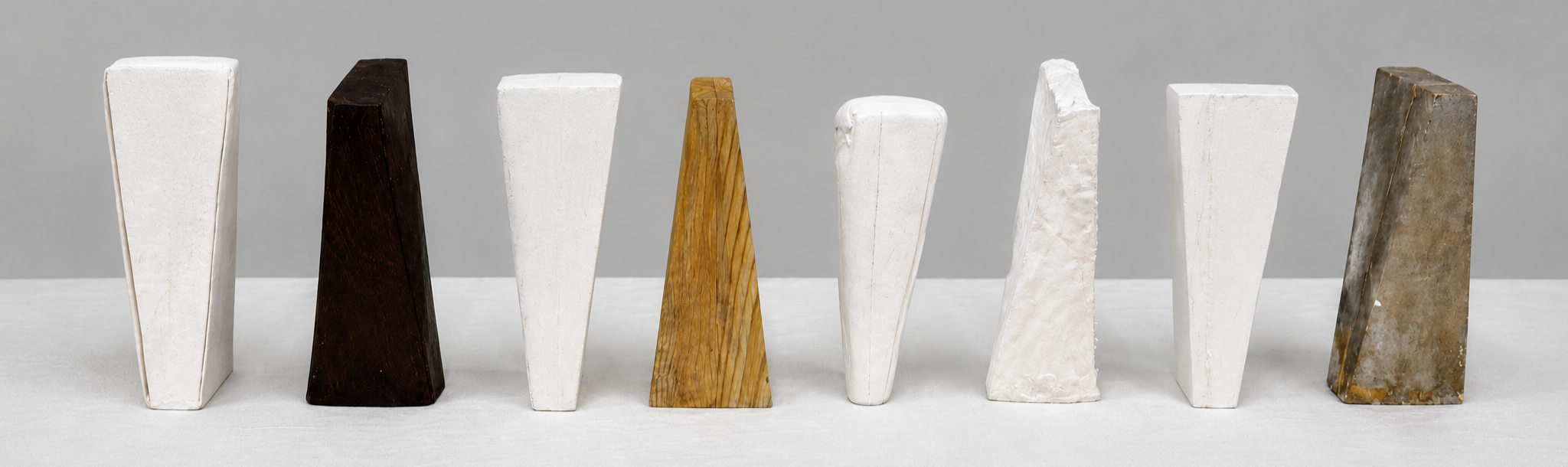
The iterative process began with a design probe investigating four paired textures, metal, fabric, wood, and leather, each presented first as a plaster cast offering only limited sensory input. Designed by students Xenia Kwiatkowska and Vittorio Di Girolamo, the probe aimed to observe how tactile cues alone trigger anticipation, and how the introduction of full sensory data then reshapes that anticipation. Participants first handled the plaster versions and described the sensations, quality, warmth, and associations they expected, before encountering each material's true counterpart. The outcome suggested how the brain constructs meaning from incomplete information, mirroring Hawkins' predict-update loop through touch: a hand meeting a plaster cone built one expectation, and meeting the cone's metal, fabric, wood, or leather counterpart corrected it, the gap between the two becoming the probe's actual finding.
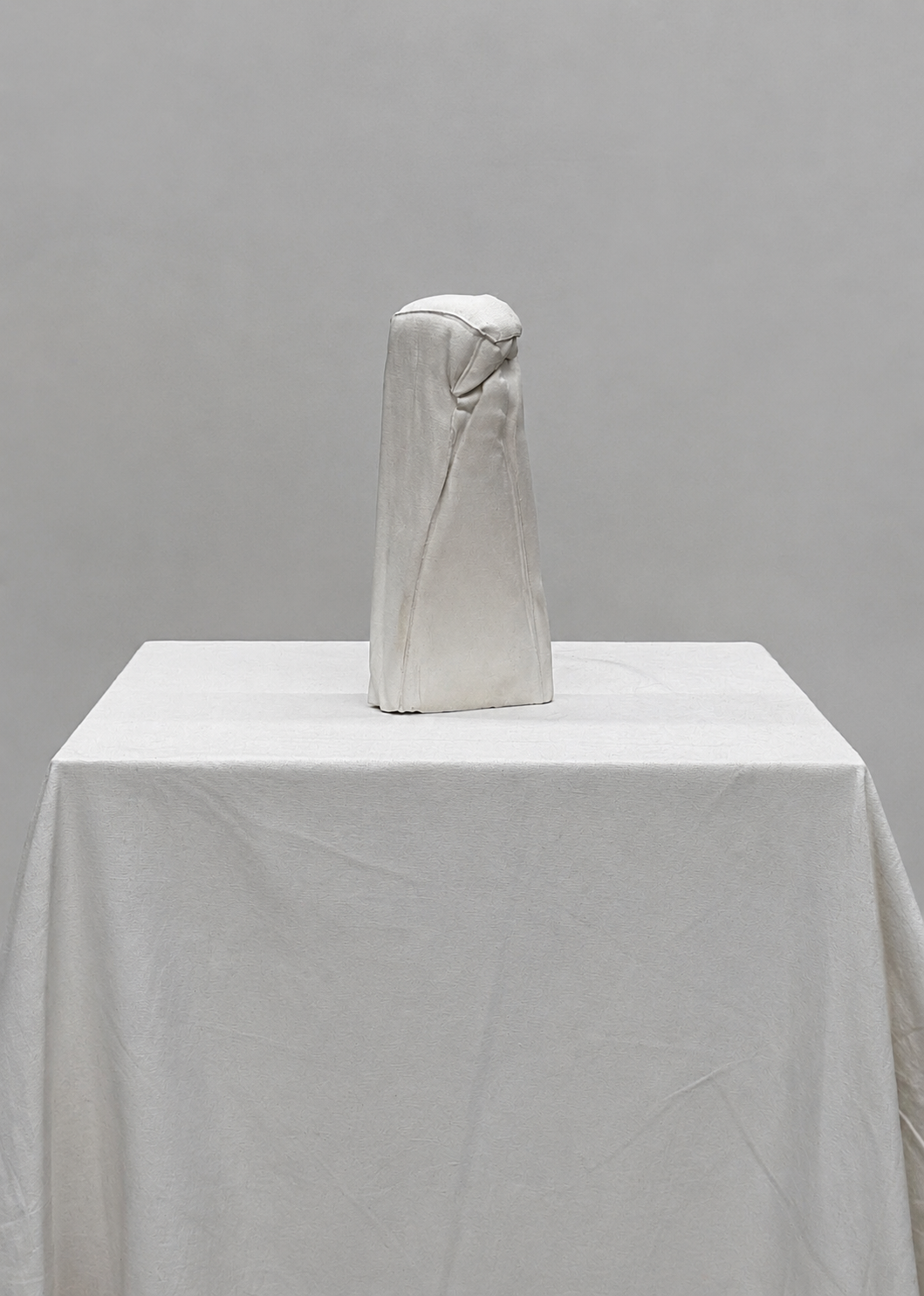
DESIGN PROBE TEXTILE
WHAT HAPPENS WHEN AN OBJECT
DISRUPTS THESE PREDICTIONS?
This pointed toward an inherited domestic ritual that performs the same structure in reverse. Italian table culture treats linens as single-purpose sculptures: families folded napkins and cloths into fans, pleats, pockets, or architectural shapes for formal meals, turning the table into a stage and the folded linen into a miniature architecture of hospitality. Caring for linen, washing, bleaching in the sun, starching, and pleating, temporarily stiffens a soft material into a held shape, a cloth's softness already anticipating the hand that will eventually unfold it. Responding to this finding through predictive processing, foregrounding Jeff Hawkins' Thousand Brains theory, the project asked what happens when an object disrupts this prediction outright: when the hand reaches for what its prior contact with cloth has taught it to expect, give, fold, eventual release, and meets a surface that will not yield.
The design fossilizes the gesture into a permanent, irreversible form. The form is a complex, three-dimensional geometric object reproduced across multiple fabrics, each cast in plaster to preserve only the surface texture, the memory of the fold rather than the fold itself. The resulting object is a sculptural lighting form in which the hand's prediction of softness is met by an unyielding fact, the fossilized linen holding its shape with the permanence of fired clay.
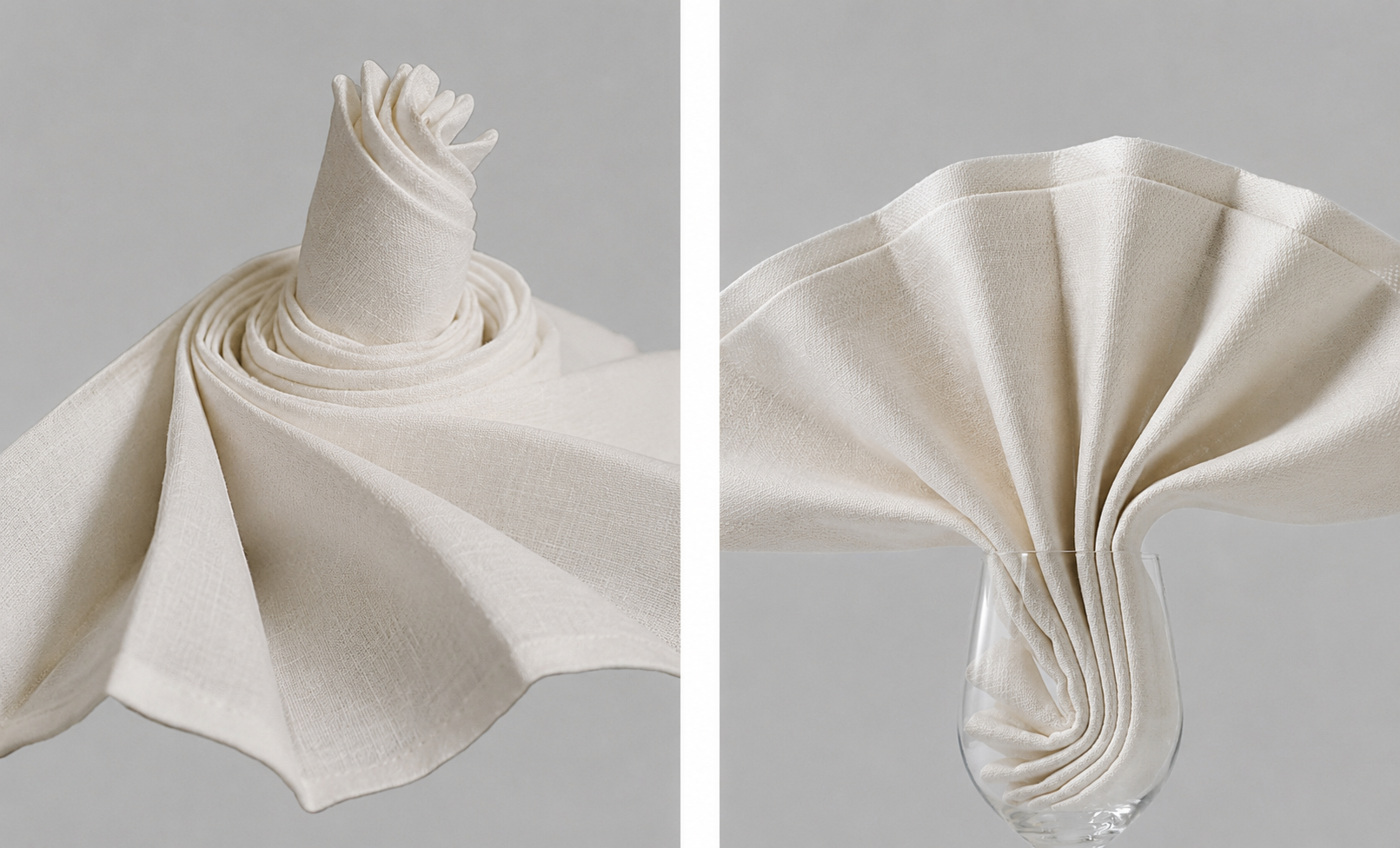
Linen napkin with different folds
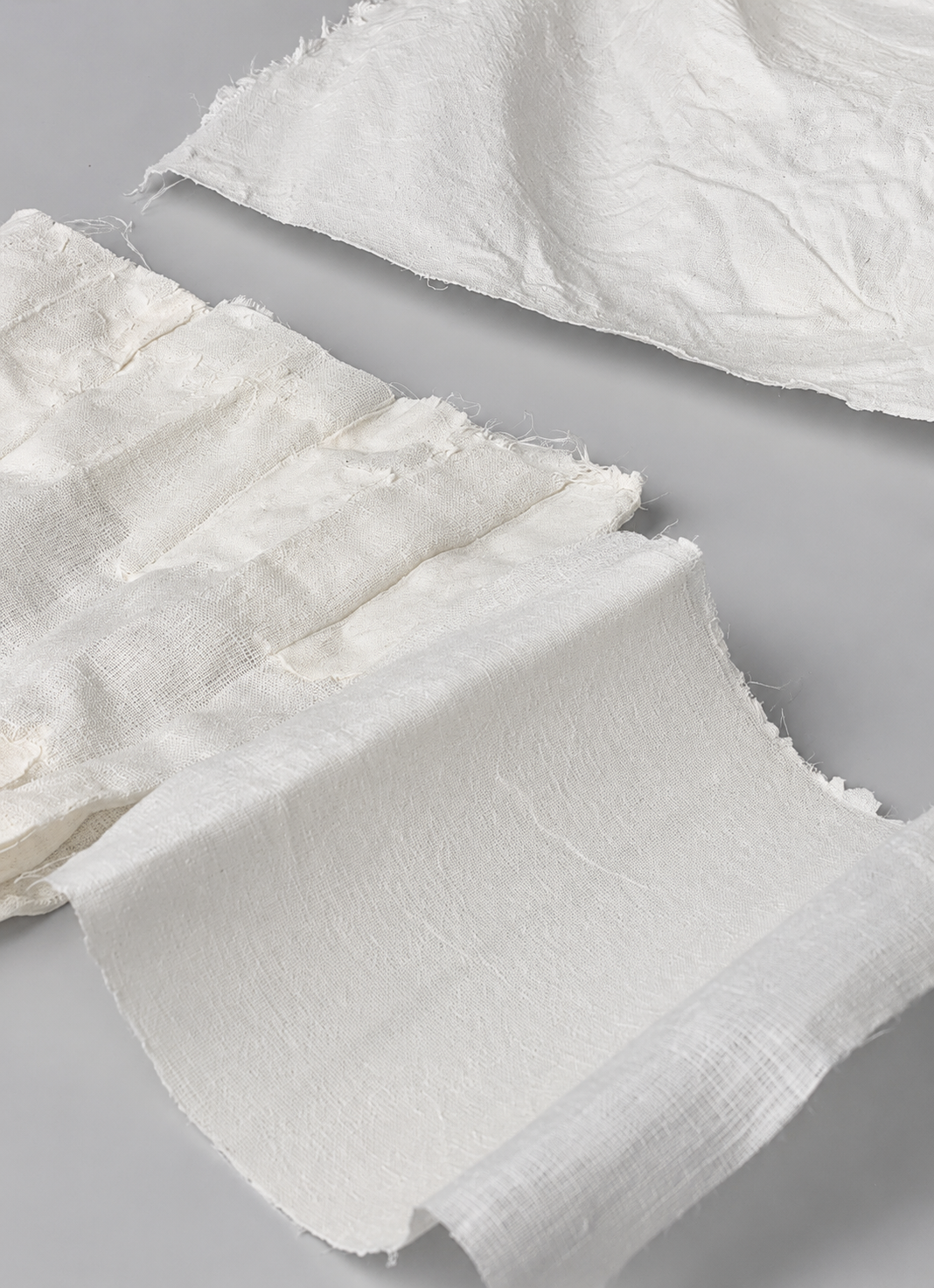
Plaster applied over linen
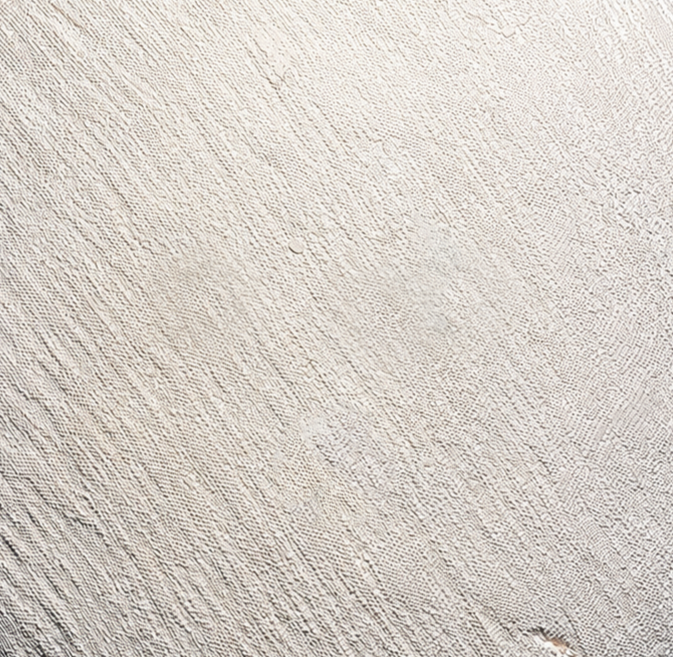
Linen texture applied to ceramics
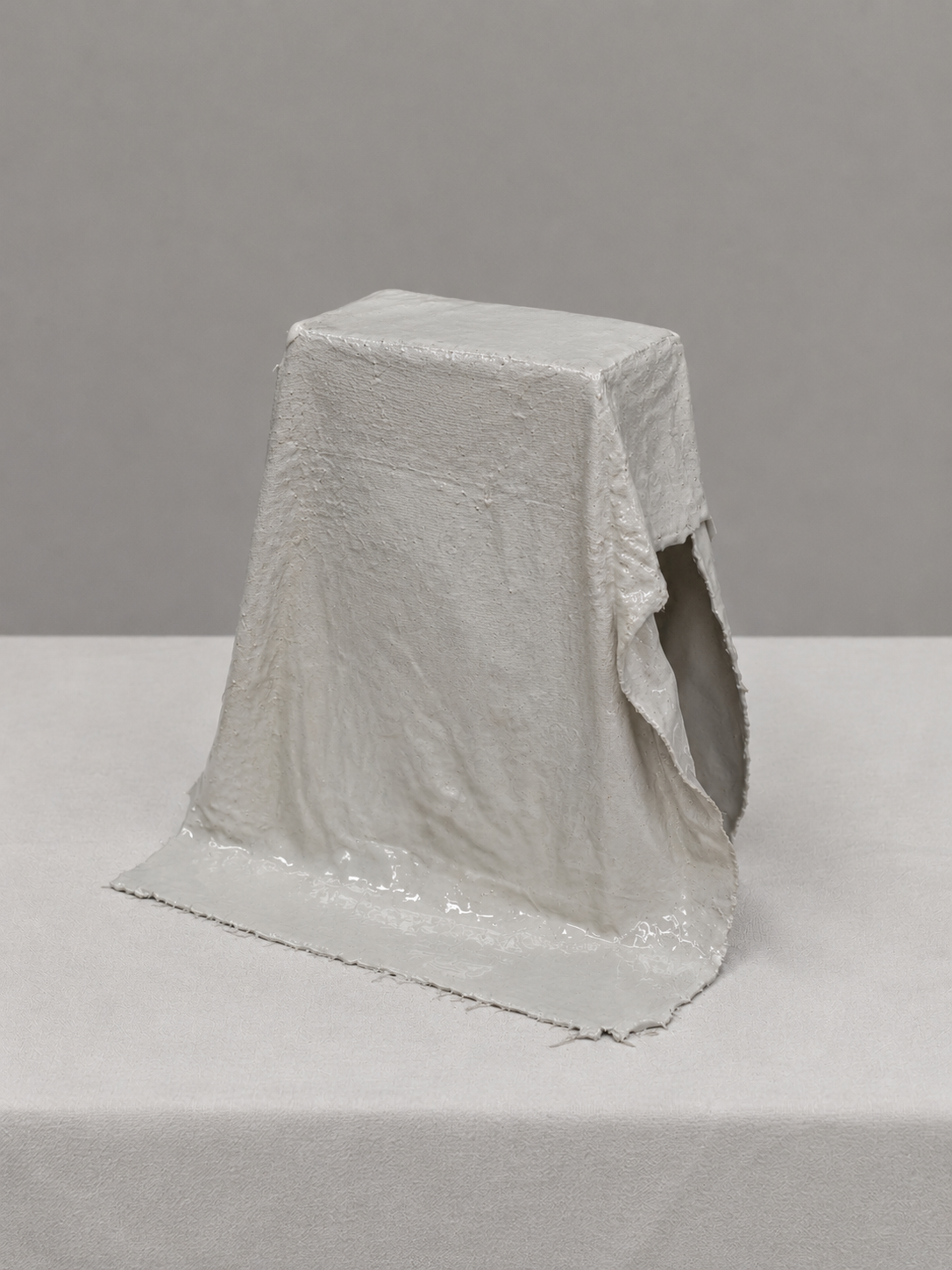
Wet plaster applied over linen
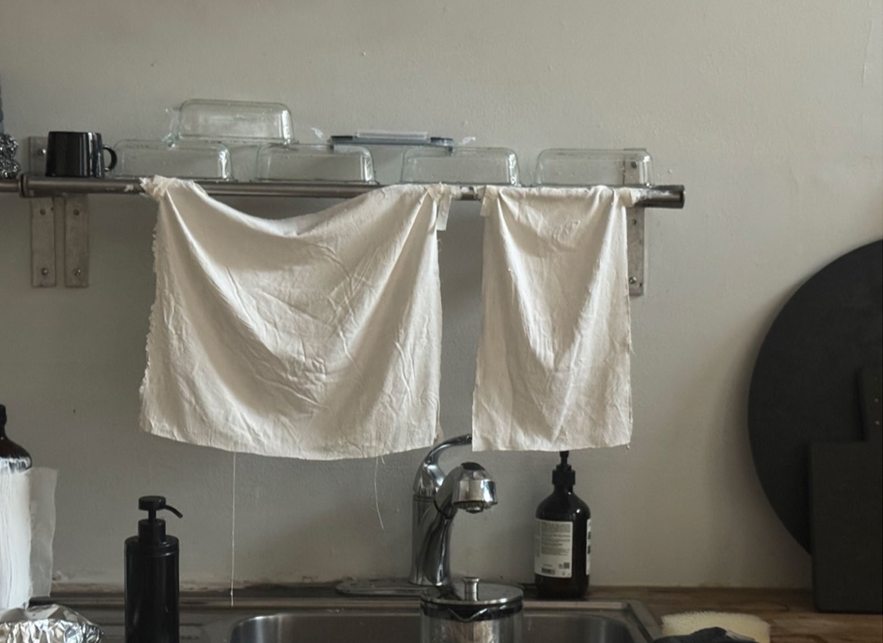
Plaster applied over linen
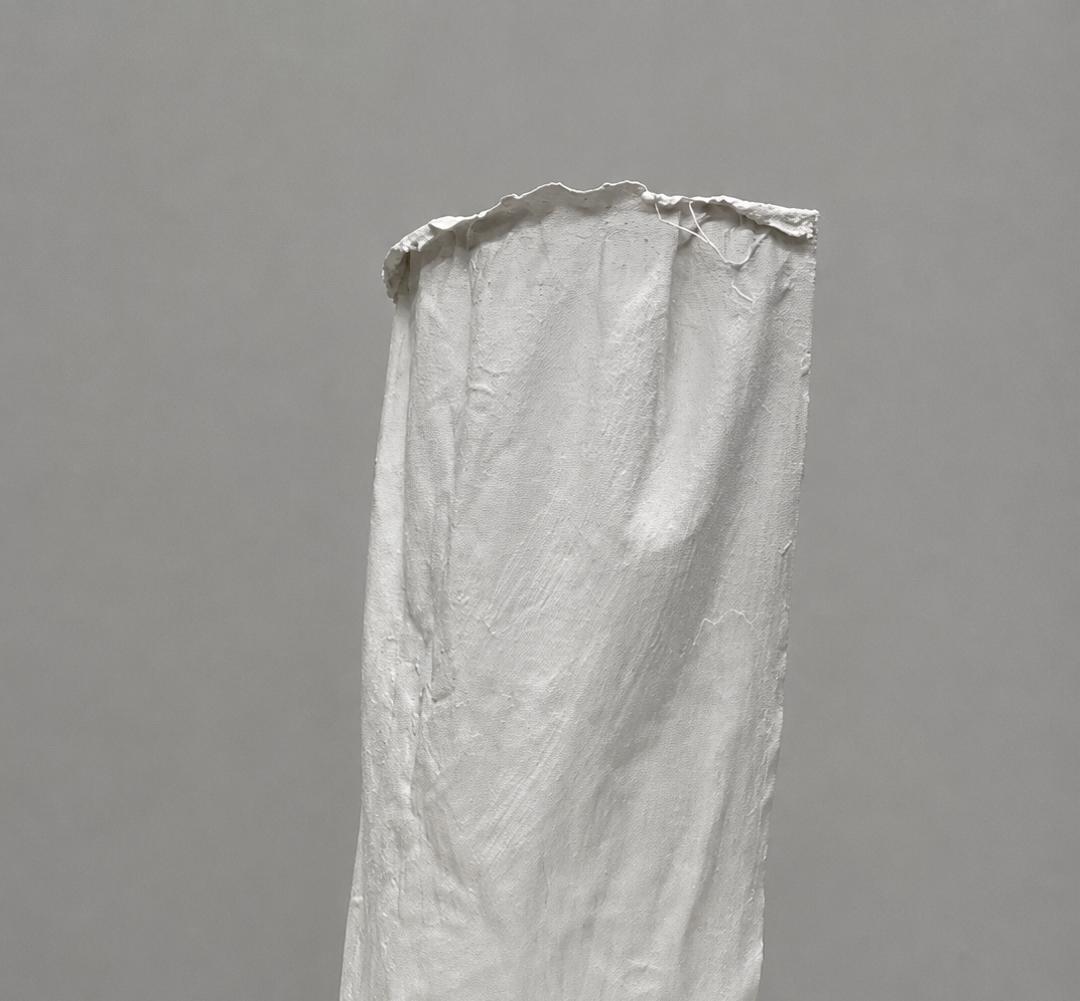
Plaster applied over linen
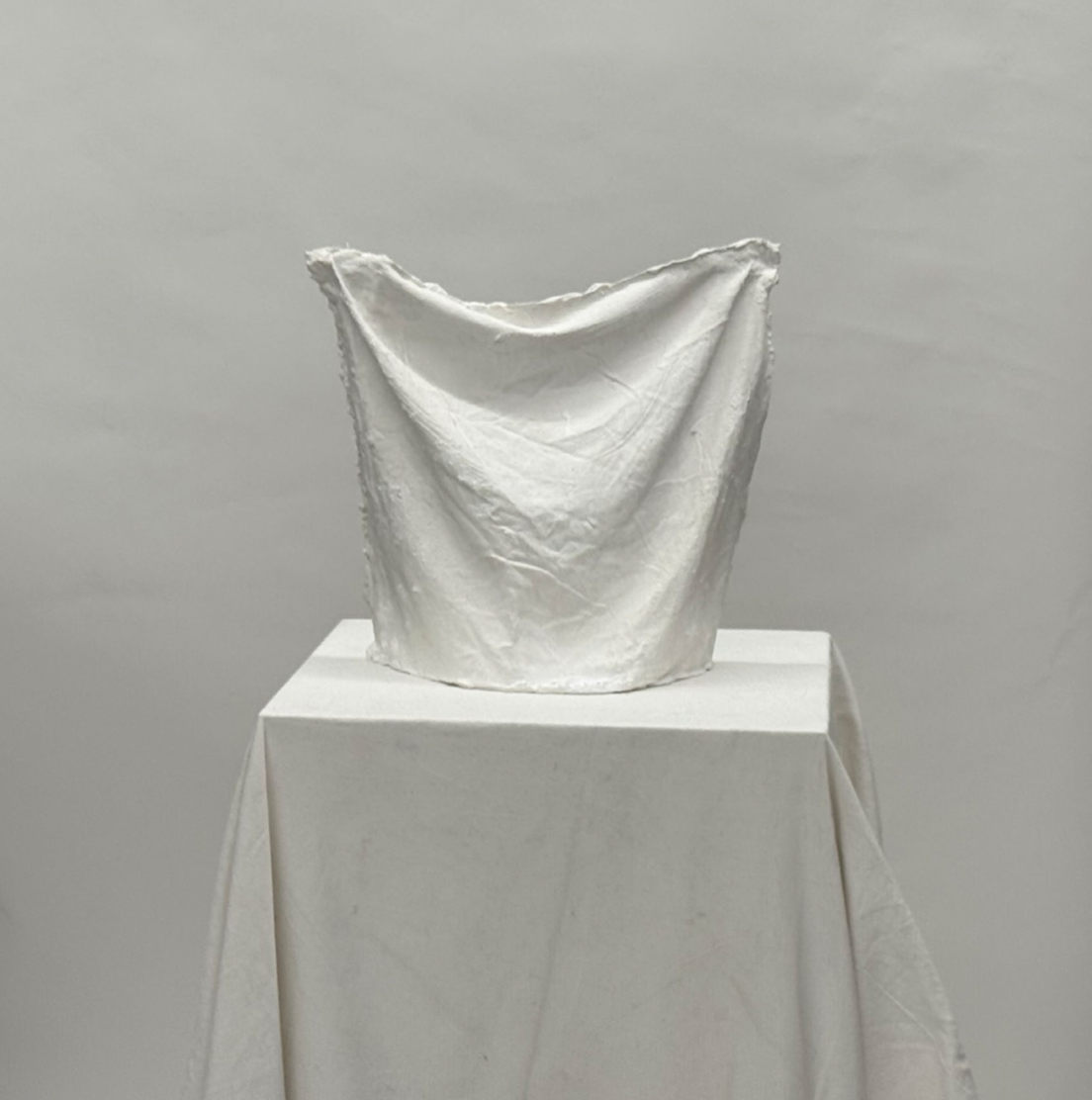
Plaster applied over linen
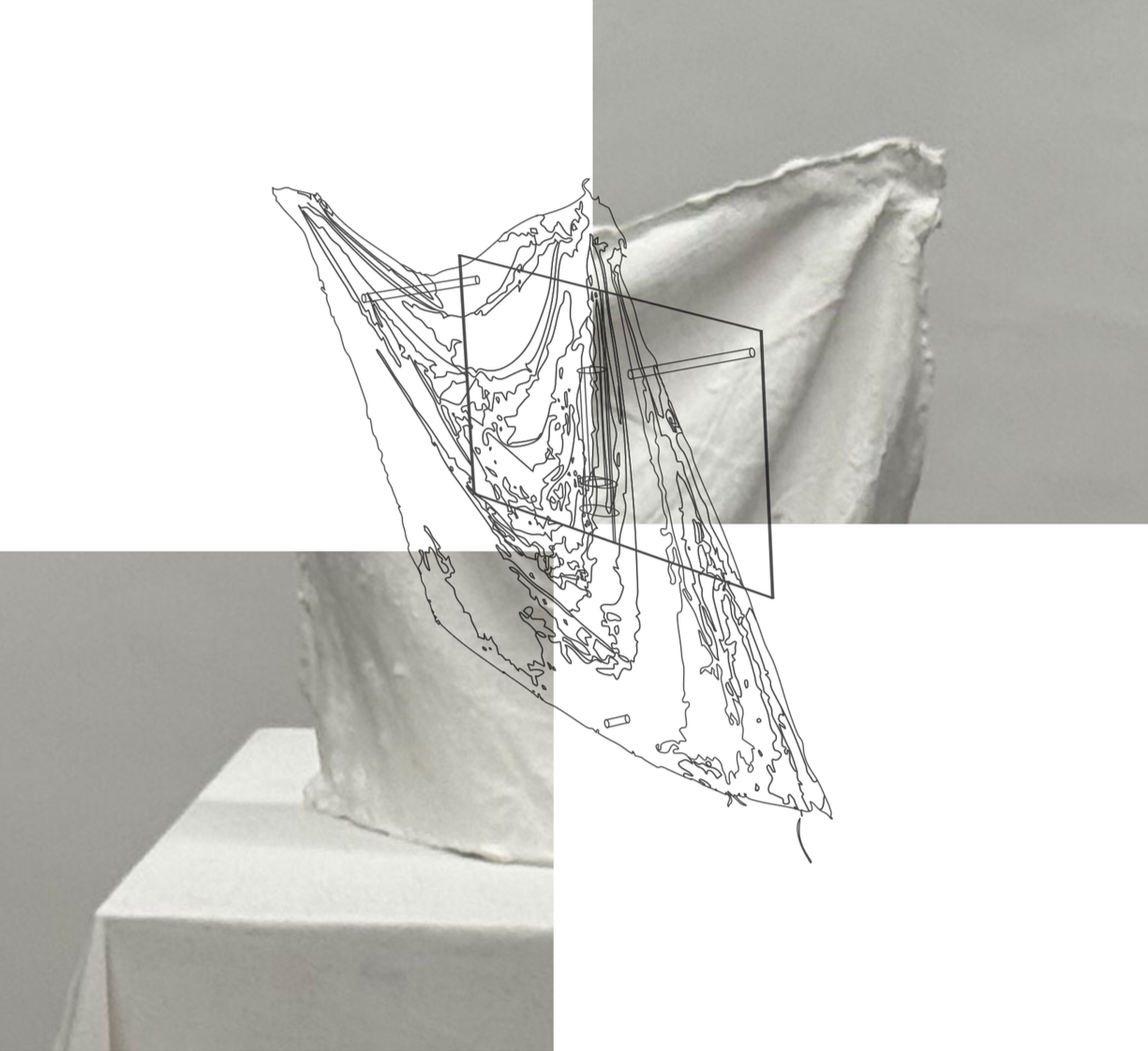
Plaster applied over linen
Linen fossilized in Porcelain _ translating textile into solid form
Rituals that transformed a fragile textile into a structured, architectural element of the home
A series of sculptural lighting forms that challenge perception, touch, and assumptions about material behavior…
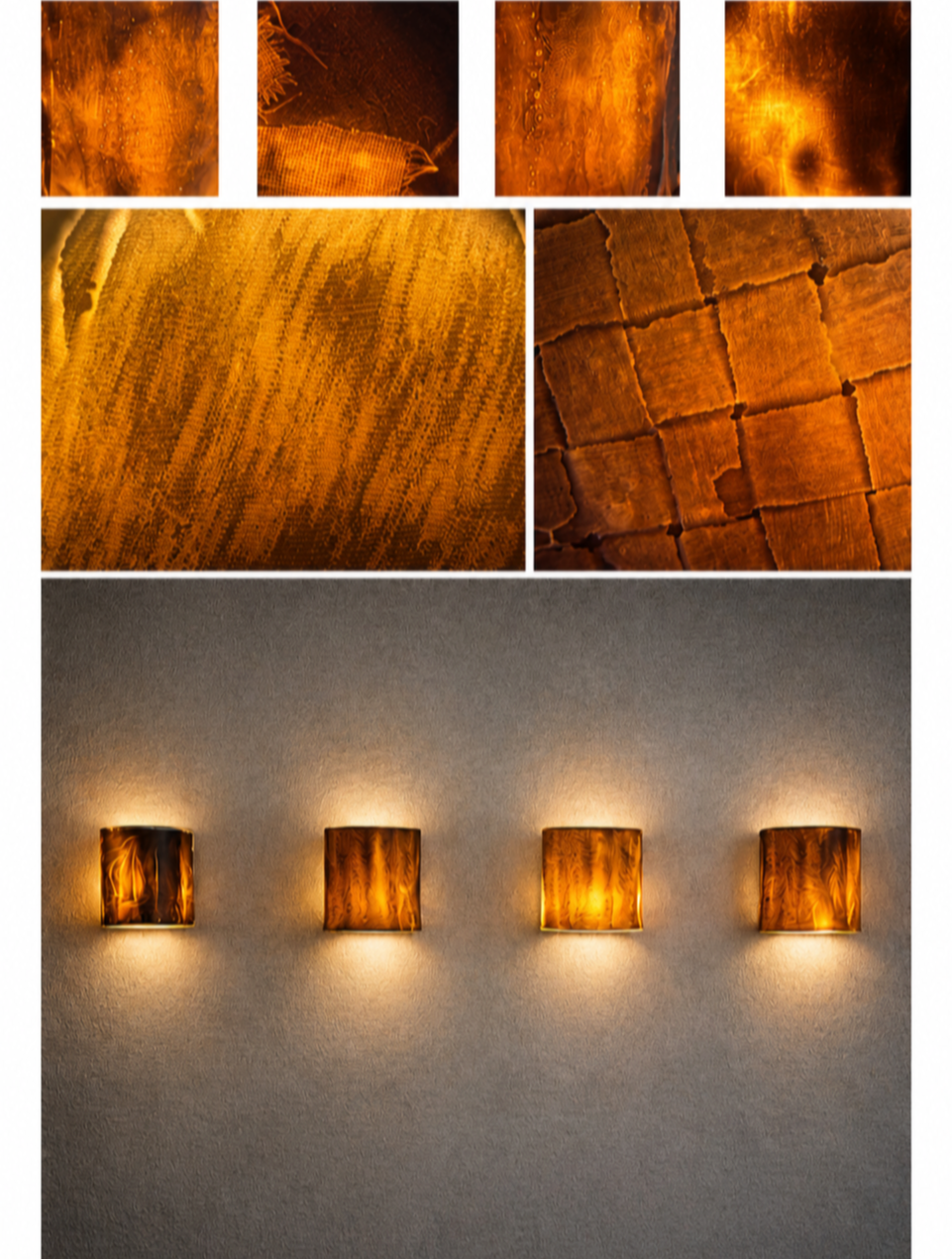
Porcelain sculptural lighting forms with different textures
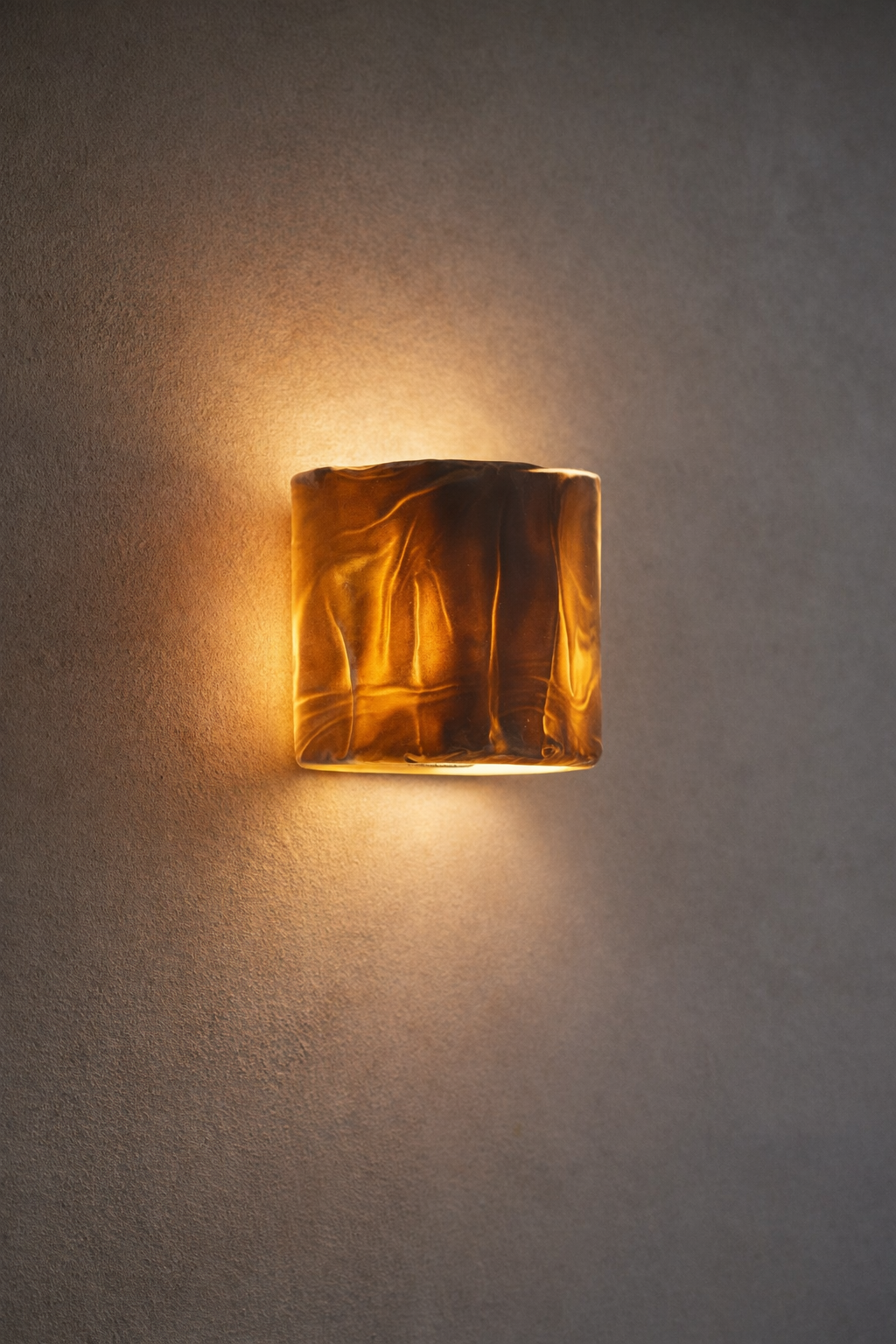
Porcelain sculptural lighting form with textured surface